Interior Door Installation: What Homeowners Need to Know
Interior doors seem simple until you try to install one. After hanging hundreds of doors in Cleveland-area homes, I can tell you that proper installation makes the difference between a door that works perfectly for decades and one that never quite closes right. Here's what you need to know.
Understanding Door Types
Not all interior doors are created equal. Here are your main options:
- Hollow-core: Lightweight, affordable, fine for closets and low-traffic areas
- Solid-core: Heavier, better sound dampening, more substantial feel
- Solid wood: Premium option, beautiful, can be refinished multiple times
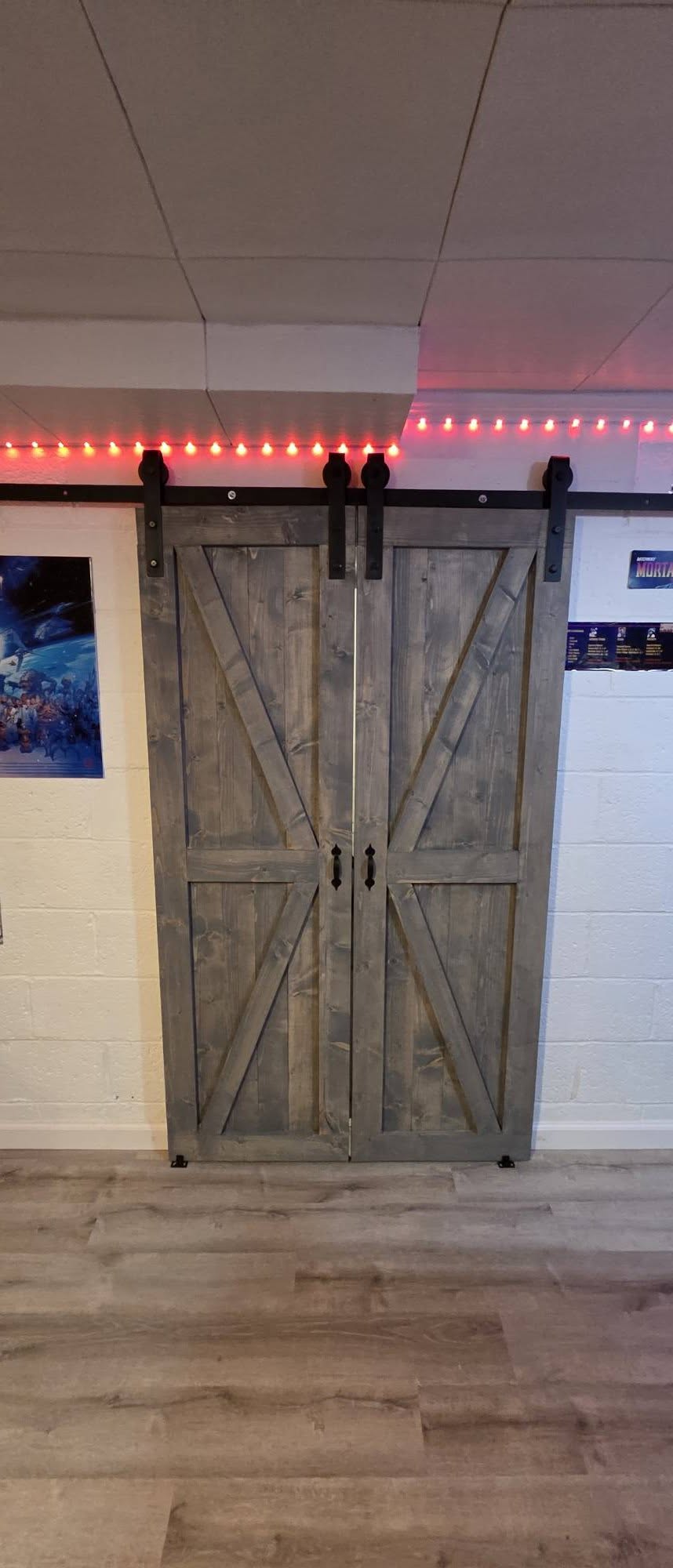
- Barn doors: Trendy, space-saving, but offer no sound barrier
- French doors: Elegant for office or dining room separation
- Pocket doors: Space-saving but require wall modification
- My recommendation: Solid-core for bedrooms/bathrooms, hollow-core for closets
Standard vs Custom Sizing
Size matters more than you think. Here's the reality of door sizing:
- Standard interior door: 80 inches tall, 30-36 inches wide
- Older homes often have non-standard sizes
- Standard pre-hung doors are most affordable and easiest to install
- Custom sizes cost 2-3x more and take weeks to manufacture
- Measuring wrong is expensive - hire a pro if unsure
- Door slabs vs pre-hung: Pre-hung includes frame and is much easier
- Pro tip: Measure at three heights - openings aren't always square
The Installation Process
Here's what actually happens during professional door installation:
- 1. Remove old door and frame (if replacing)
- 2. Check rough opening for square and level
- 3. Shim frame perfectly level and plumb
- 4. Secure frame properly to wall studs
- 5. Adjust hinges for perfect swing
- 6. Install and adjust latch/lockset
- 7. Install trim/casing to cover gaps
- 8. Paint or stain as needed
- Timeline: 2-3 hours per door for experienced installer
- DIY pitfall: Rushing the shimming process causes problems
Hardware Selection Matters
Door hardware affects both function and appearance:
- Hinges: Standard 3.5" hinges for most doors, heavy doors need 4"
- Knobs vs levers: Levers easier for everyone, better accessibility
- Privacy locks: Bathrooms and bedrooms need privacy function
- Passage locks: Living areas and closets - no lock needed
- Finish matching: All hardware in sight should match
- Quality matters: Cheap hardware fails fast, upgrade if budget allows
- ADA compliance: Required for accessibility in certain situations
Common Door Problems and Fixes
Here are the issues I see most often and how to prevent them:
- Door won't close: Usually improper installation or settling foundation
- Door swings open/closed: Not properly leveled during installation
- Squeaky hinges: Use proper lubricant, not WD-40
- Latch won't catch: Strike plate misaligned with latch
- Gaps around door: Improper shimming or worn weatherstrip
- Sticking door: Humidity expansion or paint buildup
- Loose hinges: Screws stripped - use longer screws or fill holes
- Prevention: Professional installation gets it right the first time
Cost Factors
Understanding what drives door installation costs:
- Hollow-core pre-hung: $75-150
- Solid-core pre-hung: $150-300
- Solid wood pre-hung: $300-800+
- Hardware: $15-200 depending on quality and style
- Installation labor: $100-200 per door typically
- Additional costs: Trim/casing, painting, frame modifications
- Custom work: Non-standard sizes or pocket doors cost more
- DIY reality: Takes 2-3x longer first time, mistakes are expensive
When to Replace vs Repair
Not every door problem requires replacement:
- Replace when: Damage beyond repair, wrong size, style change, major warping
- Repair when: Minor sticking, loose hinges, scratches, outdated hardware
- Refinish when: Solid wood door with surface damage
- Rehang when: Door sags or binds due to improper installation
- Cost-effective approach: Replace if repair costs exceed 50% of new door
- Aesthetic consideration: Unmatched doors look cheap - replace them all
- My advice: Start with least expensive fix, escalate if needed
Final Thoughts
Interior door installation looks easier than it is. The difference between amateur and professional installation shows immediately - and gets worse over time as poorly installed doors start having problems. Whether you're replacing one door or updating your entire home, proper installation is crucial. I've fixed countless DIY door installations gone wrong, and I can tell you: starting with professional installation costs less than fixing it later. I offer free consultations where I can assess your needs, show you options, and provide upfront pricing. 15 years of experience means I've handled every door scenario imaginable.

About Manny Coss
Owner of Handy Manny Floor PRO Plus with 15 years of professional experience in flooring installation, handyman services, and home improvement across the Greater Cleveland area. Manny is dedicated to helping homeowners make informed decisions about their projects.